AR Glasses vs. Smartphones: Is 2026 the Year We Stop Looking at Screens?
AR Glasses vs. Smartphones: Is 2026 the Year We Stop Looking at Screens?
Picture this: instead of pulling out your phone every few minutes to check messages, maps, videos, or notifications… you simply glance naturally through a pair of smart glasses. Digital info appears right in your field of view. No screen to hold, no scrolling to do, no phones in your pocket.
That’s the vision many tech companies are chasing — and 2026 feels like a critical year on that journey. But the real question is:
👉 Are AR glasses finally ready to replace smartphones? Or will phones stay king for a while longer?
Let’s break it down.
🕶️ What Are AR Glasses?
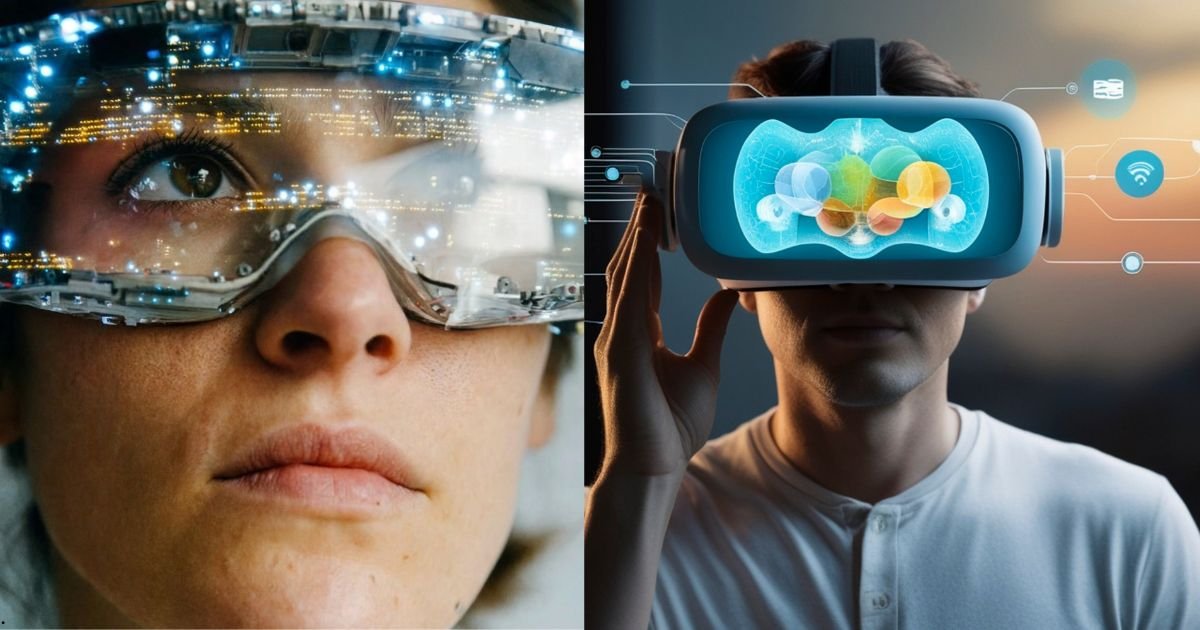
AR (Augmented Reality) glasses are wearable devices that overlay digital information on the real world — kind of like having digital screens floating right in front of your eyes. They can show navigation directions, messages, live translations, AI assistant responses, reminders, and more — directly in your line of sight, without pulling out a phone.
In 2026, big tech companies are pushing this technology hard:
- Google is launching AI smart glasses designed to work with Google’s Gemini AI — offering voice control, visuals, navigation overlays and real-time translation right in your view.
- Meta is ramping up production of its Ray‑Ban smart glasses as demand grows, aiming to sell millions by the end of the year.
- Samsung and other Android partners are prepping XR‑ready glasses tied to phone ecosystems.
All this activity suggests AR glasses aren’t just science‑fair toys anymore — they’re evolving into real, useful tech.
📱 Smartphones: Still Essential… for Now
Despite all the hype, smartphones are far from going away in 2026.
Here’s why:
✔ Battery life & practicality: Phones can run all day and still keep working, while AR glasses typically only last a few hours.
✔ Apps & ecosystems: People use hundreds of apps — social media, payments, messaging, editing, banking — all built for touchscreen phones. Most AR glasses don’t fully support all of these yet.
✔ User habits: People are used to phones because they’re easy, familiar, and personal. AR glasses, by comparison, still feel new and sometimes social awkward to wear.
In short, smartphones remain the hub of our digital lives in 2026 — they still do many things better simply because they’ve had years to grow, evolve, and build an entire ecosystem around them.
🥽 So — Will AR Glasses Replace Phones in 2026?
Here’s the honest take:
🔹 Not yet. But they will change how we interact with technology.
Experts and industry tracking suggest AR glasses will continue to evolve through the late 2020s. Most predictions show 2026 as the “co‑existence phase”, where glasses become more common and useful — especially for:
- Glanceable info like navigation and notifications
- Hands‑free tasks like translations and visual search
- Voice‑controlled AI functions
…but not full replacements for:
- Messaging apps
- Video watching or content creation
- Deep productivity or multitasking
In other words: AR glasses may become a preferred supplement to phones in 2026, but smartphones won’t be disappearing any time soon.
🧠 What Experts Think About the Timeline
Tech analysts often talk about three main phases:
✔ 2025–2027: AR glasses act as companions to phones — connected, dependent, and used for quick info.
✔ 2028–2030: Glasses start becoming standalone devices with stronger AI and independent connectivity.
✔ 2030s onward: AR glasses potentially replace phones as the primary personal computing interface for many users.
So if you were hoping that by the end of 2026 everyone would be ditching phones for glasses — it’s exciting tech, but we’re not there yet.
🧩 The Real Impact: Less Screen‑Staring, More Real Interaction
Even if AR glasses don’t fully replace smartphones in 2026, they will change how we use screens. Instead of constantly looking down at rectangular phones, people will start:
- Glancing up for info
- Using voice and gestures more
- Engaging with the world around them instead of screens
That alone could be a big shift in how we live, work, and communicate.
🎯 Final Thoughts
📌 2026 won’t be the year everyone stops using screens — but it may be the year we start looking up more than down.
AR glasses are becoming real, interesting, and increasingly useful — but they’re still emerging tech. Smartphones will continue to be central to our digital lives for at least the rest of this decade. However, the future is clear: both devices will work together, and gradually, the world around us may become our new digital interface.
If you’re a tech enthusiast, 2026 might just be the year to try AR glasses for yourself.